Enjoy. Explore. Respect.
Practical guidance for enjoying the coast with confidence.
Clear, practical coastal safety guidance for North Wales
The North Wales coast is beautiful, varied, and easy to underestimate.
Wide beaches, estuaries, rocky shorelines, fast-changing tides, offshore wind, soft sand, and awkward access points can all create problems for people who expected a simple day by the sea.
Practical Coast explains the common patterns that catch people out, using plain English and a local North Wales focus.
This site is for visitors, families, walkers, swimmers, paddleboarders, kayakers, dog walkers, anglers, beach drivers, and anyone planning to spend time near the coast
What do you need to know?
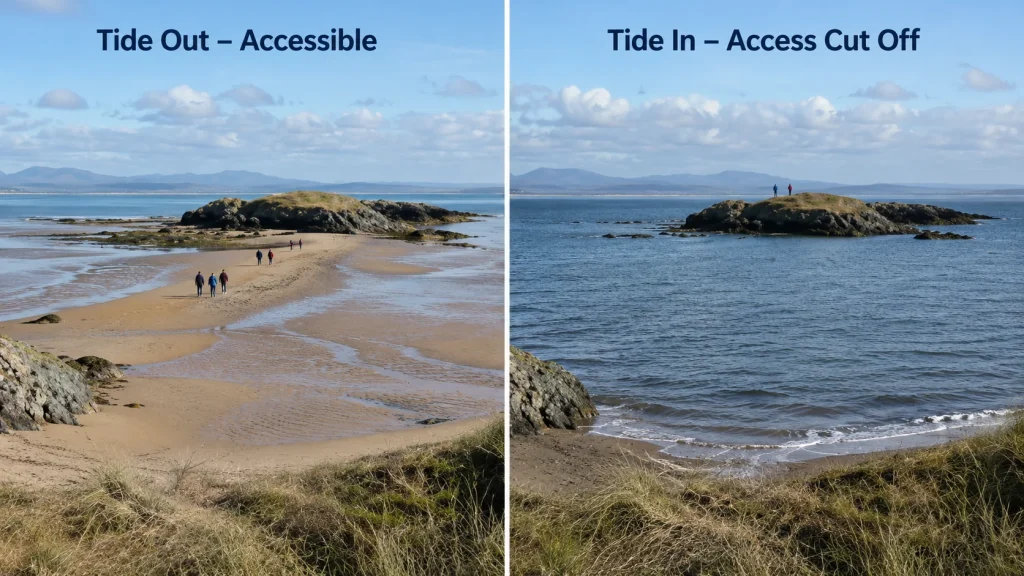
Coastal Risks
Tides, soft sand, rip currents, wind drift, changing sea conditions, difficult access, and cut-off routes can all develop faster than people expect.
Understand the risks that repeatedly matter around the coast.
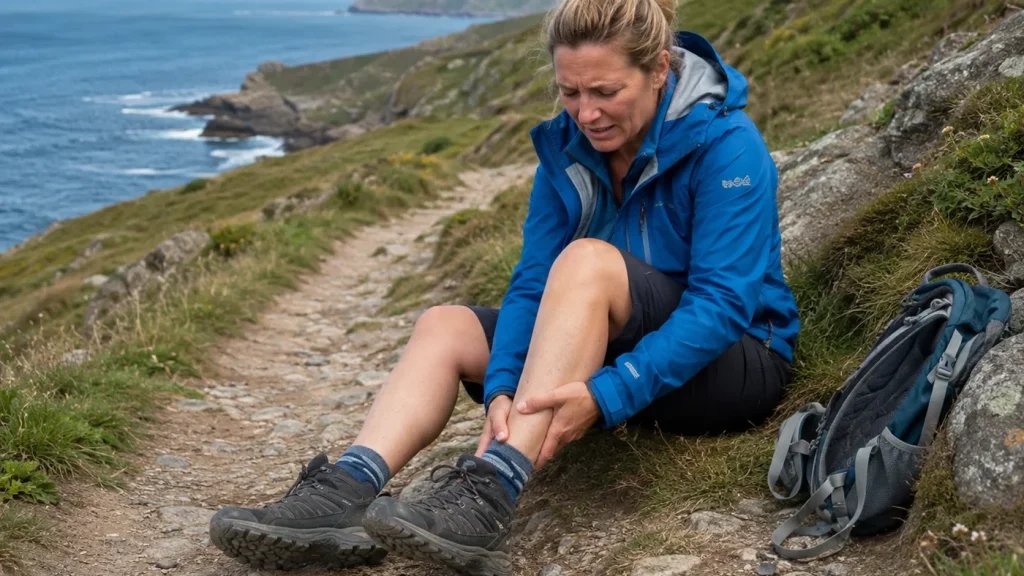
Beach Visits. Family Days
Different activities create different problems.
Walking, swimming, paddleboarding, kayaking, jet skiing, rock fishing, dog walking, and driving onto beaches all need different things to be considered before you go
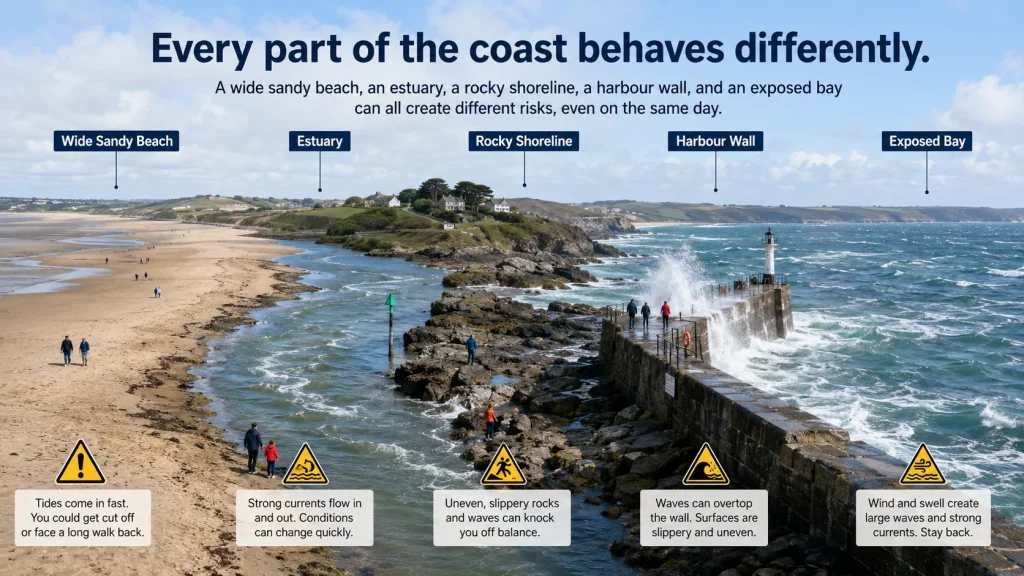
Swimming and Entering the Water
A wide sandy beach, an estuary, a rocky shoreline, a harbour wall, and an exposed bay can all create different risks, even on the same day.
Every part of the coast behaves differently.
Why people get caught out
Most coastal incidents are not caused by dramatic weather or obvious danger.
Practical Coast is built around those repeated patterns.
The aim is not to make the coast sound frightening. It is to help people recognise what can change before it becomes a problem.
They often happen because ordinary conditions are misunderstood.
- A beach can look safe at low tide but become difficult on the return.
- A calm sea can still have offshore wind.
- A short walk can become a cut-off route.
- Firm-looking sand can trap vehicles.
- A familiar place can behave differently on another tide.
Use this site before you go
Before heading to the coast, ask three simple questions:
1. Where am I going?
Check the location and understand how that part of the coast behaves.
2. What am I doing?
Think about the activity and what can go wrong with that specific choice.
3. What could change while I am there?
Consider tide, wind, weather, daylight, access, return routes, and how far you may be from help.
A few minutes of planning can prevent a simple day out becoming a difficult situation.
Local, practical and experience-led
Practical Coast focuses on real coastal patterns seen around North Wales.
The guidance is written from a search and rescue mission coordination perspective, but it is independent and intended for general public awareness.
It does not replace official safety advice, weather forecasts, tide information, local signage, lifeguard instructions, or emergency services guidance.
START HERE
If you are not sure where to begin:
- Use Coastal Risks to understand what commonly catches people out.
- Use Activities if you know what you are planning to do.
- Use Locations if you know where you are going.
The coast does not need to be feared, but it does need to be understood.
Enjoy it. Plan for it. Respect how quickly it can change.